


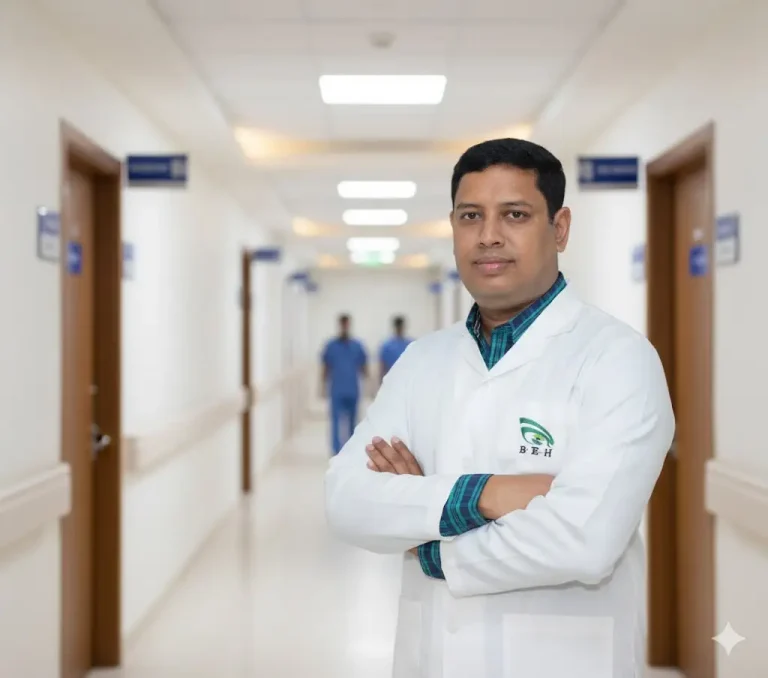




Ultimate Guide to Makka Eye Hospital Uttara: Precision Vision Care and Diagnostic Excellence
In the bustling landscape of Dhaka’s healthcare sector, few names resonate with as much trust and specialized authority as Makka Eye Hospital. Situated at Plot-6, Road-3, Sector-1, Uttara, Dhaka-1230, this institution has evolved from a dedicated eye care clinic into a cornerstone of diagnostic and surgical brilliance. Managed by the internationally acclaimed Al-Basar International Foundation, the hospital serves as a beacon of hope for thousands seeking to preserve or restore their most precious sense: sight.
The hospital’s reputation as a diagnostic powerhouse is built on a foundation of “Precision and Care.” In a country where preventable blindness remains a significant socio-economic challenge, Makka Eye Hospital Uttara has positioned itself not just as a treatment center, but as a comprehensive medical hub where advanced technology meets empathetic patient service. Whether it is a routine refractive error checkup or a complex vitreo-retinal surgery, the hospital’s core mission remains steadfast: to provide world-class, affordable healthcare to all segments of society without compromising on quality.
The Al-Basar Legacy: A Mission of Compassion and Excellence
To understand the prestige of Makka Eye Hospital, one must look at its roots. The hospital is a key unit of the Al-Basar International Foundation, a non-profit organization that has been fighting blindness globally since 1989. Since its establishment in Bangladesh in the early 90s, the foundation has treated millions and performed hundreds of thousands of sight-restoring surgeries.
“Our vision is to be the finest and most dependable place for eye healthcare in Bangladesh, providing accessible, safe, and high-quality care services for all eye patients while fostering a culture of continuous learning and research.”
This mission statement is not just a plaque on the wall; it is the driving force behind the 24/7 dedication of the medical staff in Uttara. The branch operates with the understanding that eye health is intrinsically linked to overall systemic health, leading to a multidisciplinary approach that integrates specialized diagnostics with general medical oversight.
Comprehensive Department Deep-Dive: Beyond Basic Ophthalmology
While the name suggests a singular focus, Makka Eye Hospital Uttara operates with the sophistication of a multi-specialty diagnostic center. The medical significance of its various departments cannot be overstated, as each plays a vital role in the early detection and management of conditions that can lead to permanent disability.
The Cardiology-Ocular Interface: Managing Hypertensive Health
It is a common medical misconception that cardiology and ophthalmology are disconnected. In reality, the eye is the only place in the human body where a clinician can directly observe live blood vessels without surgery. The Cardiology and Systemic Health wing at Makka Eye Hospital (integrated within the medical clearance and diagnostic units) focuses on Hypertensive Retinopathy.
Early cardiac screening is essential for eye patients because high blood pressure can cause the small vessels in the retina to thicken, leak, or burst. By identifying these changes early, the hospital’s consultants can prevent not only vision loss but also systemic heart failure or stroke. This synergy between “Heart and Eye” ensures that a patient receiving a diagnosis in the ophthalmology chair is also protected from broader cardiovascular risks.
Medicine and Endocrinology: The Battle Against Diabetic Retinopathy
The Internal Medicine department serves as the backbone of the hospital’s surgical clearance protocol. Its primary significance lies in managing Diabetes Mellitus. Diabetes is the leading cause of blindness in the working-age population of Dhaka. Through advanced blood glucose monitoring and systemic evaluation, the medicine department ensures that patients are fit for surgery and that their “sugar levels” are stabilized to prevent post-operative complications.
The medical importance of this department extends to preventing Diabetic Retinopathy, a condition where high blood sugar damages the retina. By integrating general medicine with eye care, Makka Eye Hospital provides a holistic shield against the metabolic diseases that threaten vision.
Pediatric Ophthalmology: Protecting the Future
Children’s eye care requires a vastly different approach than adult care. The Pediatric Ophthalmology department at the Uttara branch is specialized in treating Amblyopia (Lazy Eye), Strabismus (Squint), and Congenital Cataracts.
The medical significance here is time-sensitive; if a child’s vision is not corrected before the age of eight, the brain may never learn to see properly, leading to permanent impairment. The hospital’s pediatric wing uses child-friendly diagnostic tools to ensure that the next generation of Bangladeshis can see a brighter future.
Orthopedics and Oculoplastics: Structural Integrity of the Orbit
The Oculoplastic and Orbital Surgery department often intersects with Orthopedic principles. This specialty handles fractures of the orbital bone (the eye socket), tear duct obstructions, and eyelid tumors. When a patient suffers facial trauma—perhaps from a road accident—orthopedic intervention in the delicate bones surrounding the eye is critical to prevent the eye from sinking (enophthalmos) and to maintain the patient’s aesthetic and functional integrity.
Gynecology and Maternal Vision Care
Expectant mothers often experience vision changes due to hormonal shifts and fluid retention. More critically, conditions like Preeclampsia (high blood pressure during pregnancy) can lead to sudden retinal detachment. The hospital’s focus on maternal health ensures that pregnant women receive the necessary screenings to monitor for these life-threatening and sight-threatening conditions, providing a layer of safety that bridges the gap between Gynecology and eye health.
Diagnostic Excellence: The Core of Modern Medicine
At Makka Eye Hospital Uttara, the laboratory and imaging wing is considered the “Engine Room.” Modern medicine is only as good as the data it relies on, and the hospital has invested heavily in High-End Technology to ensure that no diagnosis is left to chance.
Advanced Ophthalmic Imaging and Radiology
The hospital’s imaging department features specialized machines that provide a microscopic view of the eye’s internal structures.
-
Optical Coherence Tomography (OCT): Think of this as the “MRI of the eye.” It provides high-resolution, cross-sectional images of the retina, allowing doctors to see individual layers of tissue. This is crucial for detecting Glaucoma and Macular Degeneration years before symptoms appear.
-
Fundus Photography and Angiography: Using specialized dyes, radiologists can map the blood flow within the eye, identifying blockages or “leaking” vessels that indicate systemic disease.
-
B-Scan Ultrasound (USG): When a cataract is too dense to see through, USG allows surgeons to “look behind the curtain” to ensure the retina is healthy before proceeding with surgery.
While the hospital focuses on ocular imaging, it maintains strategic partnerships for High-Tesla MRI and Multi-Slice CT Scans of the brain and orbit. These are essential for diagnosing brain tumors that manifest as vision loss or detecting foreign bodies after an injury. The significance of having these diagnostic paths available is that it transforms the hospital into a one-stop-shop for complex neurological and ophthalmic cases.
Laboratory, Pathology, and Biochemistry
The fully automated laboratory at Makka Eye Hospital Uttara ensures that every blood test, from a simple Complete Blood Count (CBC) to complex Biochemistry panels, is performed with 100% accuracy.
-
Biochemistry: Essential for monitoring kidney and liver function before administering certain ophthalmic drugs.
-
Microbiology: Critical for identifying the specific bacteria or fungi causing a severe eye infection, allowing for “Targeted Antibiotic Therapy” rather than a trial-and-error approach.
Cost of Services and Diagnostic Packages
One of the defining features of Makka Eye Hospital is its Affordability. As a charity-backed institution, its pricing model is designed to be accessible to the middle class while offering free or subsidized care to the underprivileged.
Note: Prices are subject to change based on the complexity of the case and the specific type of intraocular lens (IOL) chosen for surgeries.
To view the most up-to-date and comprehensive price list, you can visit the [Insert Link to Test Prices] portal.
Emergency and Inpatient Care: A Focus on Patient Experience
The patient journey at Makka Eye Hospital Uttara is designed to be seamless, from the moment of admission to the final discharge.
24/7 Casualty and Emergency Services
Eye injuries don’t wait for business hours. The hospital maintains a 24/7 Casualty Wing equipped to handle chemical burns, foreign body removals, and sudden-onset vision loss. The “Golden Hour” in ophthalmology is just as critical as in cardiology; a delay of even 60 minutes in treating a central retinal artery occlusion or a ruptured globe can mean the difference between sight and permanent darkness.
Inpatient Facilities: From General Wards to VIP Cabins
The hospital offers a variety of stay options to suit different socio-economic needs while maintaining a strict standard of Nursing Care and Hygiene.
-
VIP Cabins: Designed for patients who prioritize privacy and comfort, these rooms feature modern amenities, air conditioning, and dedicated attendant spaces.
-
General Wards: Clean, well-ventilated, and strictly monitored by the nursing staff, these wards ensure that high-quality post-operative care is available to everyone.
-
Hygiene Protocols: The hospital employs a dedicated sanitation team that follows international sterilization standards, particularly in the Operation Theaters (OT), to maintain a zero-percent infection rate.
Pioneering Features: What Sets Makka Eye Hospital Apart
In a city with many healthcare options, the Uttara branch of Makka Eye Hospital stands out for several reasons:
-
Automated Laboratory Systems: By reducing human intervention in blood and tissue analysis, the hospital eliminates “manual error,” providing results that doctors can trust implicitly.
-
Specialized Consultant Pool: The hospital draws top-tier surgeons from across Dhaka and internationally, ensuring that patients in Uttara have access to the same expertise found in the world’s leading eye institutes.
-
The School Health Program: Unlike most private diagnostic centers, Makka Eye Hospital actively goes into the community. Their school screening program identifies vision issues in thousands of children annually, often providing free glasses to those in need.
-
Advanced Phacoemulsification: The hospital uses the latest “No-Stitch, No-Needle” technology for cataract surgery, allowing patients to return to their normal lives within 24 to 48 hours.
Strategic SEO and Patient Navigation
As an SEO Content Strategist, I recommend using the following resources to streamline your visit. Finding the right doctor at the right time is the first step toward recovery.
-
To browse the expertise of our various departments, check the [Insert Link to Doctor List].
-
If you are unable to visit the hospital for routine blood work, utilize the [Insert Link to Home Sample Collection] service for maximum convenience.
-
For those looking to save time, the [Insert Link to Appointment Portal] allows you to book your slot from the comfort of your home.
Patient Utility: Practical Information for Your Visit
Navigating a large hospital can be daunting. Here is the essential data you need to plan your visit to Makka Eye Hospital Uttara.
How to Book an Appointment
Currently, the hospital operates on a “First-Come, First-Served” basis for general outdoor patients to maintain its mission of accessibility. However, for specialized surgeries and senior consultant visits, it is highly recommended to call ahead or use the online portal.
-
Phone Numbers: +8802-58953696, +8801733-576390
-
On-site Registration: Starts at 8:00 AM daily.
Visiting Hours and Operations
The hospital maintains a rigorous schedule to accommodate the high volume of patients while ensuring each individual receives adequate time with the specialist.
-
General Outdoor (OPD): Saturday to Thursday, 8:00 AM – 8:00 PM.
-
Friday Services: The hospital remains open for emergencies and limited consultations from 4:00 PM – 8:00 PM.
-
Inpatient Visiting Hours: 12:00 PM – 2:00 PM and 5:00 PM – 7:00 PM (Strictly enforced to maintain patient rest and hygiene).
Contact Details and Address
Makka Eye Hospital Uttara Plot-6, Road-3, Sector-1, Uttara, Dhaka-1230, Bangladesh. Landmark: Near the Sector-1 Jame Masjid and within walking distance from the Uttara House Building bus stand.
Conclusion: A Vision for the Future
Makka Eye Hospital Uttara is more than just a medical facility; it is a vital part of the Uttara community’s health infrastructure. By combining the specialized focus of an eye hospital with the rigorous diagnostic standards of a top-tier medical center, it ensures that every patient leaves with a clearer perspective—literally and figuratively.
From its advanced MRI and OCT imaging capabilities to its compassionate Pediatric and Cardiology-linked care, the hospital embodies the pinnacle of modern Bangladeshi healthcare. Whether you are a resident of Uttara or traveling from across the country, your vision is in the safest hands possible.