
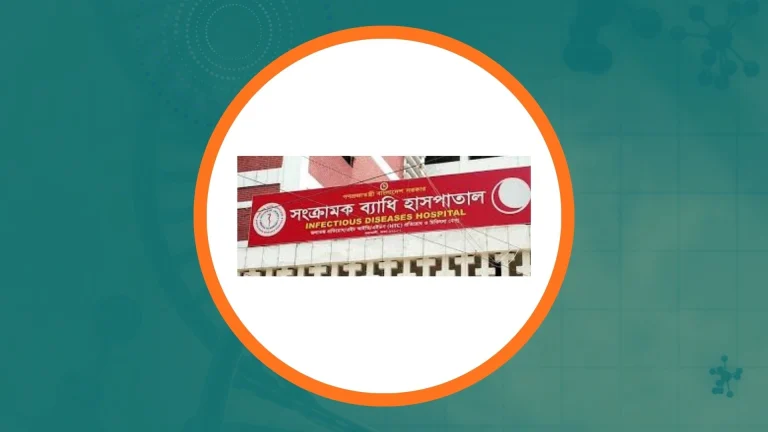
The Ultimate Guide to Infectious Diseases Hospital Mohakhali: Excellence in Specialized Care
In the heart of Dhaka’s healthcare hub, the Infectious Diseases Hospital (IDH) Mohakhali stands as a beacon of clinical excellence and public health security. Located at Mohakhali, Dhaka-1212, this institution is not merely a medical facility; it is a specialized diagnostic and treatment powerhouse dedicated to managing the most complex pathological conditions in Bangladesh. With a core mission centered on precision, specialized care, and rapid intervention, the hospital has earned a reputation for being the primary line of defense against both endemic and emerging infectious threats.
For decades, the residents of Dhaka and patients traveling from across the country have relied on the Infectious Diseases Hospital Mohakhali for its unrivaled expertise in tropical medicine, virology, and microbiology. Whether addressing seasonal outbreaks or providing long-term care for chronic infectious conditions, the hospital integrates compassionate nursing with rigorous scientific inquiry. This guide provides an exhaustive look into the departments, diagnostic capabilities, and patient services that define this national treasure.
A Vision of Global Health and Local Care
The Infectious Diseases Hospital Mohakhali operates with a dual focus: treating the individual and protecting the community. Its mission statement reflects a deep-rooted commitment to the highest standards of medical ethics.
“Our mission is to provide world-class clinical care for patients suffering from infectious diseases through specialized expertise and advanced diagnostics, ensuring the safety of the public while maintaining the dignity and health of every individual we serve.”
This vision is brought to life by a dedicated pool of consultants, many of whom are leading researchers in their fields. The hospital’s strategic location in Mohakhali allows it to collaborate closely with other national institutes, making it a central node in the country’s medical network.
Comprehensive Department Deep-Dive
While the primary focus is on infectious conditions, the hospital maintains a multidisciplinary approach to ensure that patients receive holistic care. Each department is designed to manage the systemic impact of infections on different organ systems.
Internal Medicine and Tropical Diseases
The Medicine Department at the Infectious Diseases Hospital Mohakhali is the cornerstone of its clinical operations. Doctors here specialize in diagnosing “fevers of unknown origin” (FUO), malaria, dengue, and various enteric fevers.
The medical significance of this department cannot be overstated. In a tropical climate like Bangladesh’s, early intervention in infectious diseases prevents multi-organ failure. For instance, timely management of severe dengue prevents hemorrhagic complications and plasma leakage, which are often fatal if neglected. The consultants here employ evidence-based protocols to manage complex co-infections, ensuring that a patient’s primary infection doesn’t lead to secondary systemic collapse.
Cardiology and Infectious Impact
It is often overlooked how infections can affect the heart. The Cardiology Unit focuses on conditions like viral myocarditis (inflammation of the heart muscle) and infective endocarditis.
Early cardiac screening is vital in infectious disease management. Why? Because many viral infections can lead to silent heart damage. By utilizing high-precision ECG and Echocardiography, the hospital can detect early signs of cardiac strain, preventing the progression toward chronic heart failure. This proactive approach ensures that patients recover not just from the infection, but with their cardiovascular health intact.
Gynecology and Maternal-Fetal Medicine
Infectious diseases pose a significant risk to expectant mothers and their unborn children. The Gynecology and Obstetrics Department provides specialized care for pregnant women suffering from infections like Hepatitis B, HIV, or Torch syndrome.
The medical significance here lies in preventing mother-to-child transmission (MTCT). Specialized interventions and monitored delivery protocols ensure that the next generation is protected from the infections the mother may be carrying. Furthermore, early screening for reproductive tract infections (RTIs) is essential in preventing long-term infertility and pelvic inflammatory disease (PID).
Orthopedics and Bone Infections
While people often associate Orthopedics with trauma, at this hospital, the focus frequently shifts to osteomyelitis (bone infection) and septic arthritis.
Orthopedic intervention in an infectious context is critical for improving mobility, especially in pediatric and geriatric populations. Left untreated, a simple joint infection can lead to permanent disability or limb loss. The surgical and rehabilitative experts here work to clear infections from the musculoskeletal system, ensuring patients regain their independence and quality of life.
Diagnostic Excellence: The Core of Clinical Success
Modern medicine is only as good as the data it relies on. The Infectious Diseases Hospital Mohakhali has invested heavily in its laboratory and imaging infrastructure to ensure that every diagnosis is backed by hard science.
Advanced Imaging Services
Imaging at IDH is not just about taking pictures; it is about “seeing” the disease. The hospital utilizes high-end technology to map the progression of infections within the body.
-
High-Tesla MRI: The MRI unit provides exceptional clarity for neurological infections like meningitis or brain abscesses. High-Tesla machines offer superior signal-to-noise ratios, allowing radiologists to see microscopic changes in tissue long before they become visible on standard scans.
-
4D Ultrasound: While commonly used in pregnancy, 4D USG at this facility is also used for guided biopsies and assessing abdominal organ damage due to chronic infections like tuberculosis or visceral leishmaniasis.
-
CT Scan: The multi-slice CT scanner is essential for chest imaging, particularly in identifying pneumonia patterns or pleural effusions that require immediate drainage.
Laboratory and Pathology
The laboratory at Mohakhali is one of the most sophisticated in the region, featuring automated molecular diagnostic systems.
-
Microbiology: This is the heart of the hospital. The lab conducts culture and sensitivity tests to identify the exact pathogen causing an illness, which is the backbone of “Stewardship in Antibiotics”—ensuring patients get the right drug, not just a broad-spectrum one.
-
Biochemistry: Automated analyzers process hundreds of samples an hour, monitoring liver enzymes, kidney function, and electrolyte balances—all of which can be disrupted during a severe infection.
-
Pathology: From routine blood counts to complex biopsies, the pathology department ensures that cellular changes are caught early.
Diagnostic Test Cost Guide
To assist patients in planning their visit, the following table provides an estimated cost for common diagnostic tests. Note: Prices are subject to change based on government regulations and specific clinical requirements.
| Test Name | Estimated Price (BDT) | Clinical Importance |
| Complete Blood Count (CBC) | 400 – 600 | Detects infection and anemia levels. |
| Dengue NS1 Antigen | 500 – 800 | Vital for early diagnosis of Dengue. |
| Ultrasonography (USG) Whole Abdomen | 1,200 – 2,500 | Assesses liver and spleen enlargement. |
| Chest X-Ray (Digital) | 500 – 700 | Primary tool for diagnosing pneumonia. |
| MRI (Brain/Spine) | 6,000 – 12,000 | Essential for neurological complications. |
| Blood Culture & Sensitivity | 1,000 – 1,500 | Identifies specific bacteria for treatment. |
| Hepatitis B Surface Antigen (HBsAg) | 500 – 700 | Screens for chronic liver infection. |
For a full list of available diagnostics and updated pricing, please [Insert Link to Test Prices].
Emergency and Inpatient Care
Infectious diseases don’t follow a schedule, which is why the Infectious Diseases Hospital Mohakhali operates a 24/7 Casualty and Emergency wing.
24/7 Casualty Services
The emergency department is staffed by medical officers trained in Acute Infectious Management. Whether it is a severe case of rabies, an acute diarrheal outbreak, or respiratory distress, the triage system ensures that the most critical patients are stabilized immediately.
Inpatient Wards and Experience
The hospital offers a range of inpatient accommodations to suit different needs, maintaining a strict focus on hygiene and cross-infection prevention.
-
General Wards: These are spacious, well-ventilated areas designed for the mass management of seasonal diseases. They are strictly monitored for sanitation.
-
VIP Cabins: For patients seeking more privacy and personalized nursing, the VIP cabins offer air-conditioning, attached bathrooms, and dedicated attendants.
-
ICU and Isolation Units: For highly contagious or life-threatening conditions, the hospital features state-of-the-art isolation rooms that utilize negative pressure to prevent the spread of pathogens to other parts of the building.
The nursing care at Mohakhali is noted for its empathy. Nurses here are specially trained in barrier nursing techniques, which protect both the patient and the healthcare worker from the spread of infectious agents.
Pioneering Features: Why Mohakhali Stands Out
What makes the Infectious Diseases Hospital in Mohakhali the premier choice for millions?
-
Specialized Consultant Pool: The hospital hosts a concentration of the country’s leading infectious disease specialists. These consultants often serve as advisors to national health programs.
-
Automated Molecular Lab: Unlike standard clinics, IDH features PCR-based testing and GeneXpert technology, which can identify tuberculosis and other drug-resistant pathogens in a fraction of the time required by traditional methods.
-
National Referral Status: Because it is a national institute, it receives the most challenging cases from all over Bangladesh, giving its staff an unparalleled depth of experience in rare and “superbug” infections.
-
Vaccination Center: The hospital also functions as a major hub for specialized vaccinations, including post-exposure prophylaxis for Rabies, which is a critical service for the community.
Understanding the Significance of Early Detection
The Infectious Diseases Hospital Mohakhali emphasizes that preventative diagnostics are the backbone of modern medicine. In the realm of infectious diseases, “waiting and seeing” can be a fatal strategy.
For example, a simple blood test can distinguish between a viral infection and a bacterial one. This distinction prevents the misuse of antibiotics, which is a growing global health crisis. Furthermore, advanced imaging can detect “silent” pneumonia in elderly patients who might not exhibit a typical high fever, allowing for life-saving oxygen therapy to start sooner.
Patient Utility: How to Access Care
Navigating a large hospital can be daunting. Below is the essential information for patients and their families.
How to Book an Appointment
Patients can seek care through the Outpatient Department (OPD) or by scheduling a visit with a specific consultant.
-
On-site Registration: Visit the registration counter at the main entrance starting from 8:00 AM.
-
Online/Phone Booking: Some consultants offer private chambers in the afternoon. You can browse the [Insert Link to Doctor List] to find the right specialist for your needs.
-
Digital Portals: For ease of access, many patients now use the [Insert Link to Appointment Portal] to secure a time slot and reduce waiting periods.
Home Services
Understanding that infectious disease patients are often too weak to travel, the hospital’s diagnostic wing often collaborates with partners to offer [Insert Link to Home Sample Collection] for routine blood tests.
Visiting Hours
To ensure patient recovery and minimize the risk of hospital-acquired infections, visiting hours are strictly enforced:
-
Morning: 11:30 AM – 1:00 PM
-
Evening: 4:30 PM – 6:30 PM
Contact Details & Address
Address: Infectious Diseases Hospital, Mohakhali, Dhaka-1212, Bangladesh
Primary Contact: +880-2-55067149 (Landline)
Emergency Hotline: +880-1711-xxxxxx (Check current official mobile listings for the duty officer)
Practical Tips for Your Visit
-
Bring Previous Records: Infectious diseases often have a history. Bring all previous prescriptions and test reports.
-
Wear a Mask: Given the nature of the facility, wearing a high-quality (N95 or surgical) mask is mandatory for all visitors to prevent the spread of respiratory droplets.
-
Arrive Early: The OPD is busiest in the morning. Arriving by 7:30 AM ensures you are among the first to be seen.
-
Follow Hygiene Protocols: Use the hand sanitization stations located at every entrance and exit.
The Road Ahead: Precision Medicine at IDH
As we move further into 2026, the Infectious Diseases Hospital Mohakhali is looking toward the future of Precision Medicine. This involves using genetic sequencing to tailor treatments to the specific strain of a virus or bacteria affecting a patient. By moving away from “one-size-fits-all” medicine, the hospital continues to lower mortality rates and reduce the duration of hospital stays.
In conclusion, whether you are seeking a routine diagnostic check-up or specialized treatment for a complex condition, the Infectious Diseases Hospital Mohakhali provides a level of expertise and technological sophistication that is unmatched in Bangladesh. It remains a cornerstone of hope and healing for the community, dedicated to the mission of a healthier, infection-free nation.